The returner
Trained seriously in the past, then stepped away for work or family. The main question is how to rebuild without repeating the pace of a decade ago.
Training basicsMen over 35 arrive at training from very different places. These composite profiles describe common situations and the questions that tend to matter in each, so you can find the pages most relevant to yours.
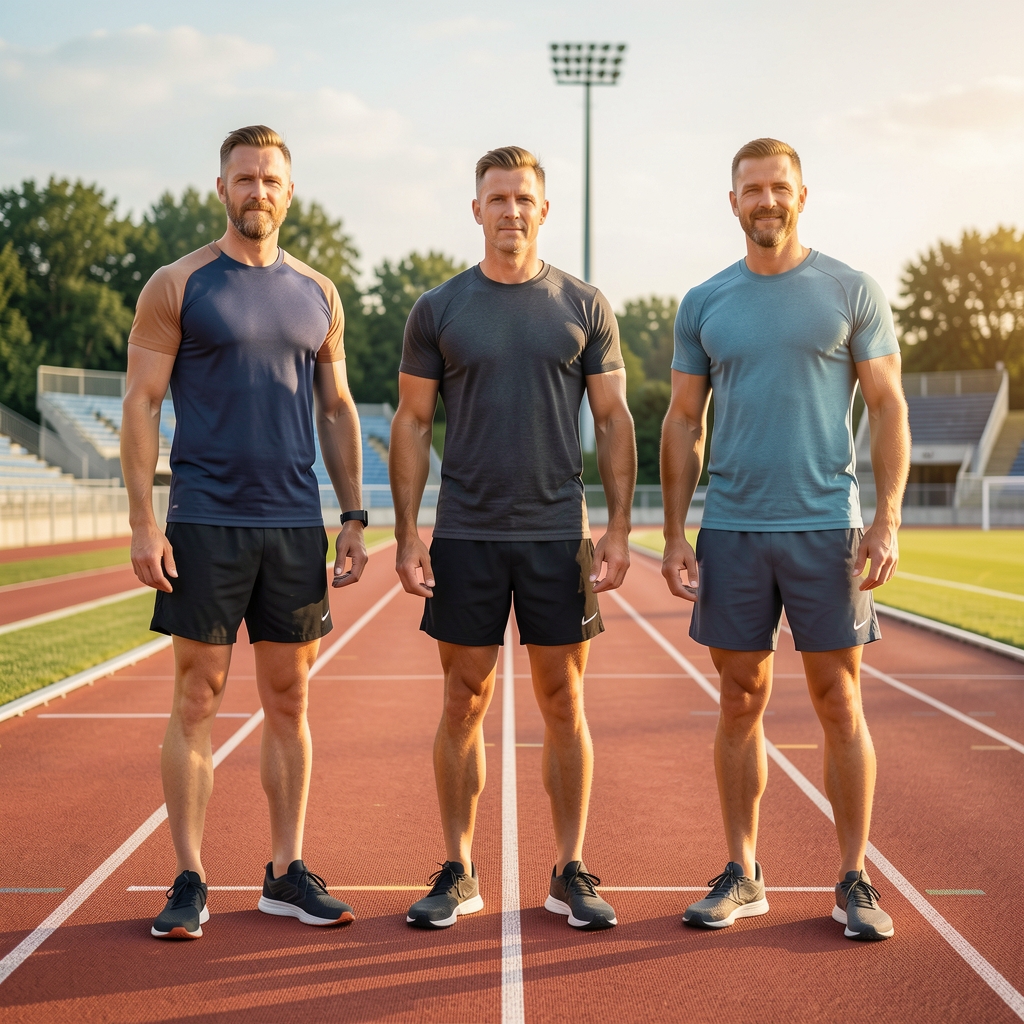
The profiles below are composites assembled from conversations with coaches, reader enquiries and published surveys. None describes a real individual, and none is meant to label you. They are a map of typical questions, nothing more.
Trained seriously in the past, then stepped away for work or family. The main question is how to rebuild without repeating the pace of a decade ago.
Training basicsHas never followed a structured routine. Needs clear explanations of vocabulary, a manageable weekly rhythm and realistic expectations about the first months.
Open the glossaryRuns or cycles on Saturdays and Sundays and wonders how to spread effort across the week without creating fatigue that lingers.
Endurance guideComfortable in the gym and curious about joint comfort, recovery and how to keep progress sustainable in the long run.
Strength guideSpends most of the day seated. Interested in short routines, posture awareness and movement that fits around meetings and commuting.
Mobility guideWears a watch, logs sleep and wants help interpreting the numbers without letting them dictate every decision.
Performance labA short decision matrix pairs a starting situation with a sensible first read. Choose the row that sounds closest to yours and follow the link; you can always return and choose another.
| If this sounds like you | Start with | Then consider | Keep in mind |
|---|---|---|---|
| I want to understand the vocabulary first | Glossary | FAQ | Terms vary between sources. |
| I have been away from training for years | Health checks | Training plans | A professional can advise on individual readiness. |
| I feel stiff after long sitting | Mobility | Sleep | Persistent pain deserves professional attention. |
| I want to understand my watch data | Performance lab | Research | Consumer devices estimate; they do not diagnose. |
| I am preparing for a long event | Endurance | Recovery | Event preparation is individual; read widely. |
These figures describe the structure of the library as it stands in 2026, not outcomes or audience numbers.
8
topic guides covering training, physiology and recovery
12
glossary terms with stated limits
5
named evidence labels used in research notes
35+
the age group each page is written for
Describing real people would require consent, exact details and a degree of exposure that most readers do not want. Composites let us talk about common circumstances honestly while protecting privacy. They also avoid a trap common in fitness media, where a single remarkable story is presented as the expected result for everyone.
When an article includes a quotation from a named person, it is identified as such, consent is recorded, and the context is explained. Composite profiles never include quotations, photographs of identifiable individuals or invented credentials.
Most people sit between two or three of these descriptions, and some match none at all. That is expected. Write to the editorial desk with a short description of your situation, and we will point you to existing pages or, if none exist, consider the topic for a future note.
Contact the editorial deskA profile describes a situation, not a person. Your own history, schedule and preferences will always matter more than a category.
Readers occasionally ask which profile is “ahead” or “behind”. None is. Different contexts bring different constraints, and a well-chosen routine for a desk-bound professional may look quite unlike one for a weekend cyclist while serving each equally well. For editorial background on how we write about people, see the editorial policy.