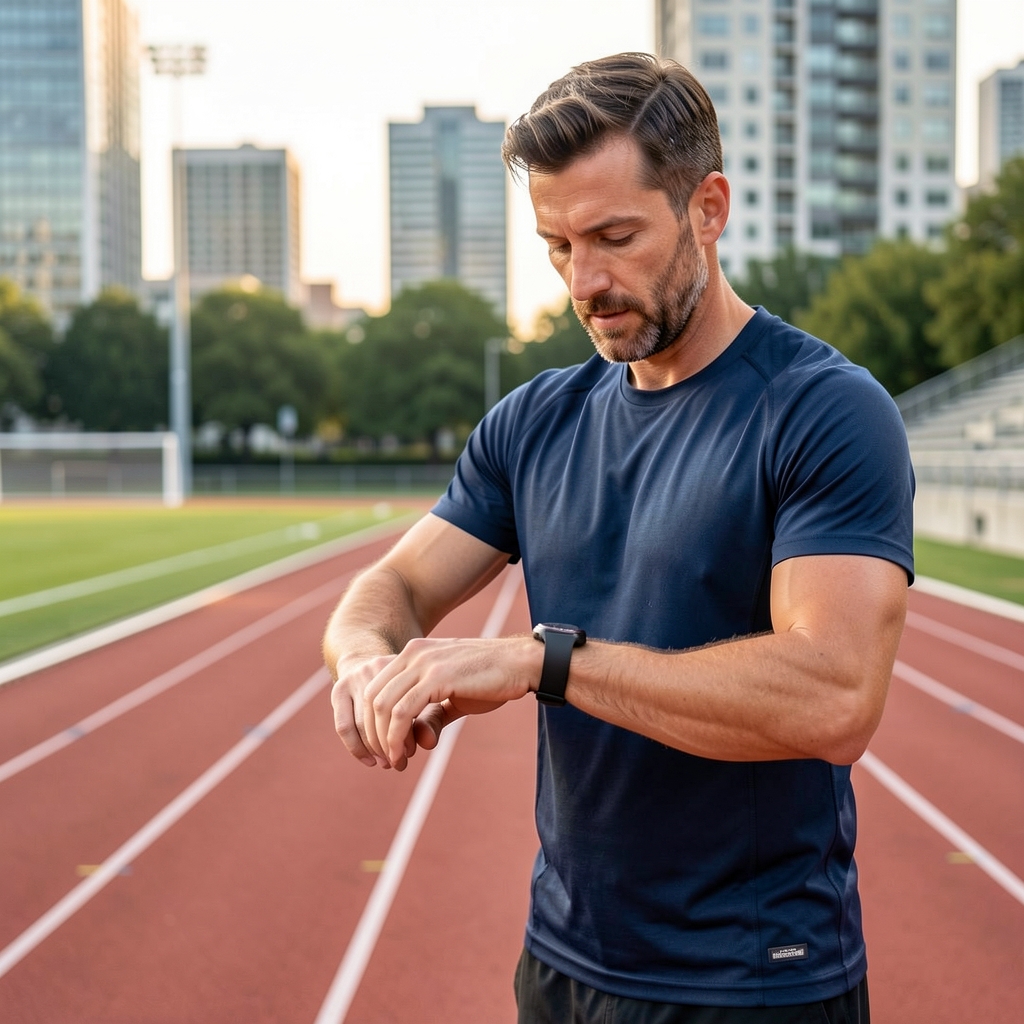
Training notes · 14 May 2026
Why a slower warm-up can improve a faster session
A practical look at tissue temperature, perceived effort and the information hidden in the first ten minutes of a workout.
Meliora is an independent editorial resource about sports physiology, functional training, endurance, recovery and the practical decisions that shape a capable life. We translate useful evidence into language that respects experience, context and the realities of busy adults.
Read our editorial approach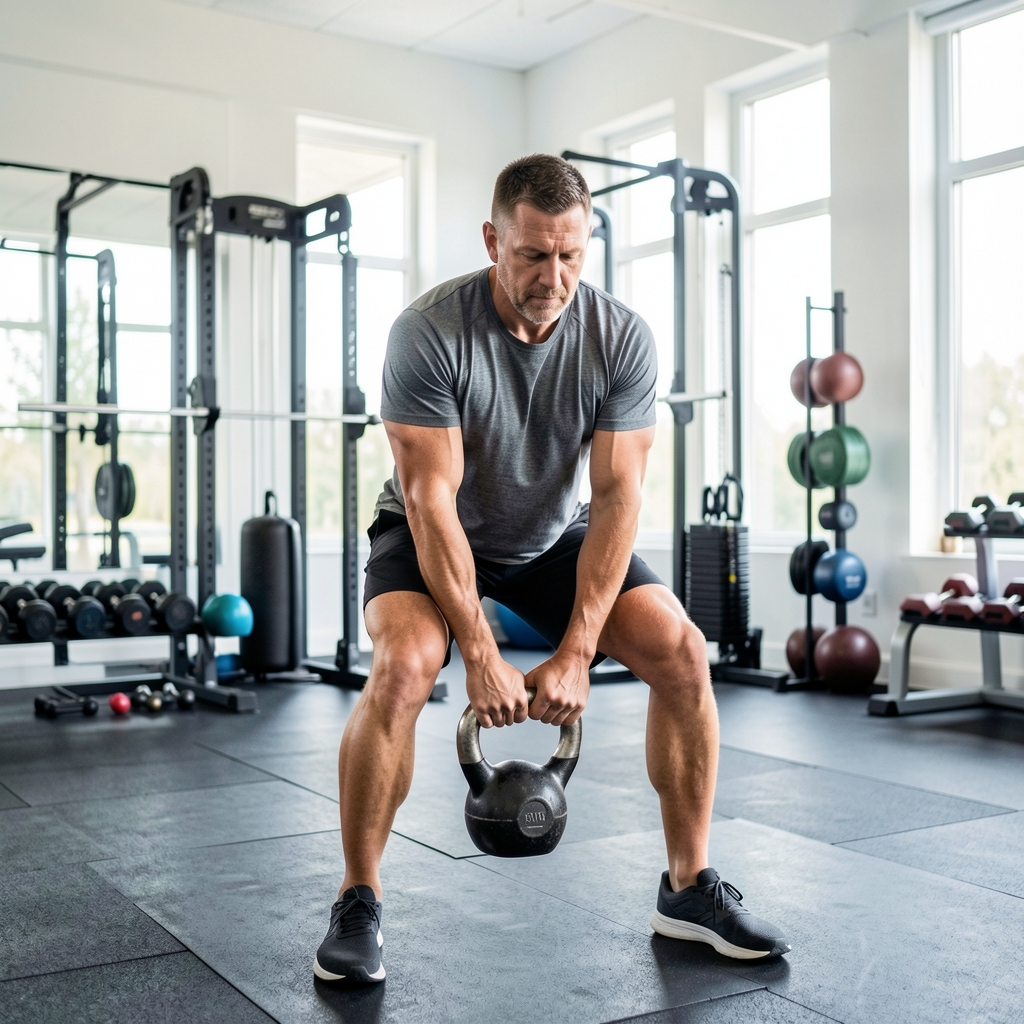

Good training leaves a trace you can interpret. We look at the relationship between load, sleep, nutrition, stress and the small signals that show whether a plan is helping. The aim is not to prescribe one ideal routine; it is to help readers ask better questions of their own bodies and coaches.
Articles separate established principles from emerging research, identify useful limitations and keep medical decisions with qualified professionals.
A practical look at tissue temperature, perceived effort and the information hidden in the first ten minutes of a workout.
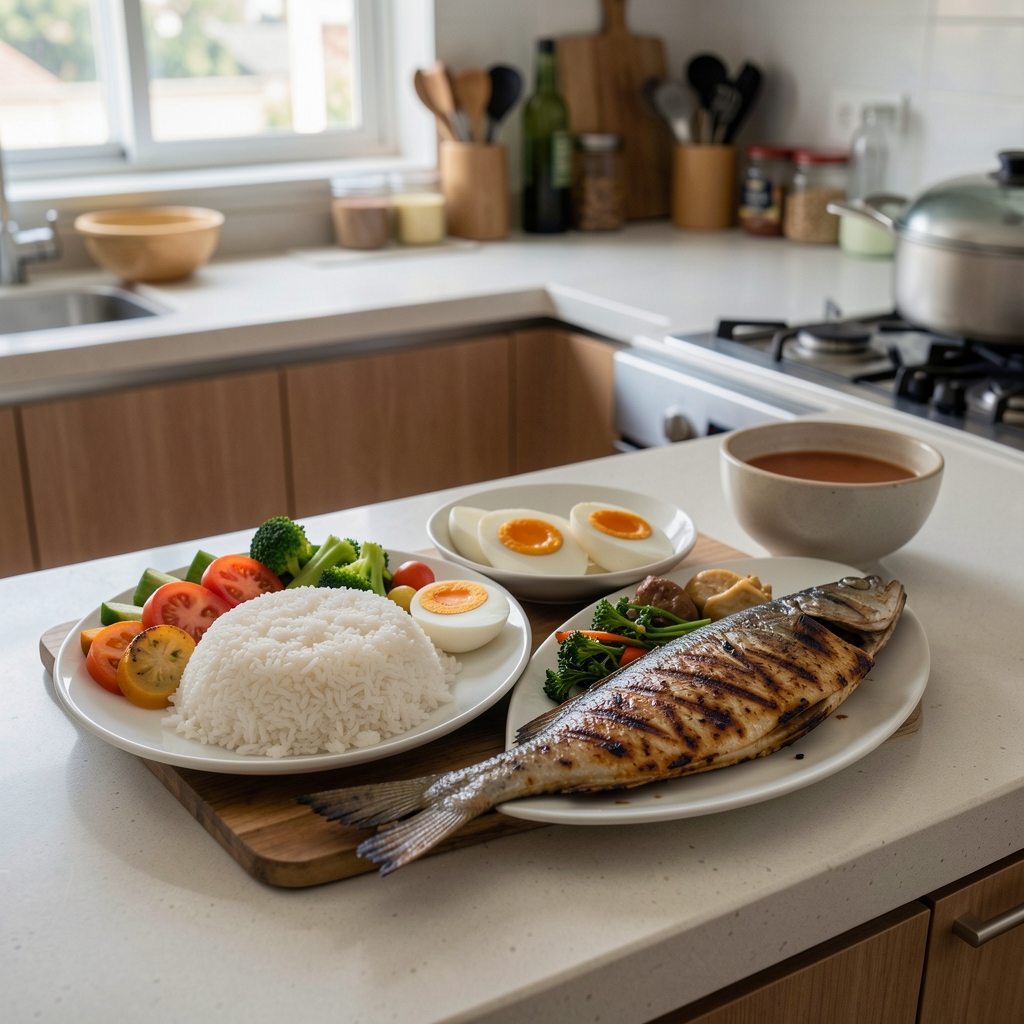
How to build repeatable meals that support a demanding week while leaving room for culture, appetite and flexibility.

Preparation can make a short clinical conversation clearer, especially when symptoms and training load overlap.
Meliora grew out of a simple observation in South Jakarta: adults returning to serious training had plenty of enthusiasm and very little plain-language material written for them.
The first drafts were summaries of questions coaches and training partners kept hearing: how much recovery is enough, what changes after thirty-five, and how to read a heavy week.
Strength, endurance, mobility and recovery became the structure of the site, supported by a glossary so that each article could use precise terms without losing readers.
Editorial and review practices were set down in public, including how claims are sourced, how limits are described and how errors are corrected.
Today the publication includes topic guides, field notes, profiles and a performance lab section, all reviewed against the same editorial standards.

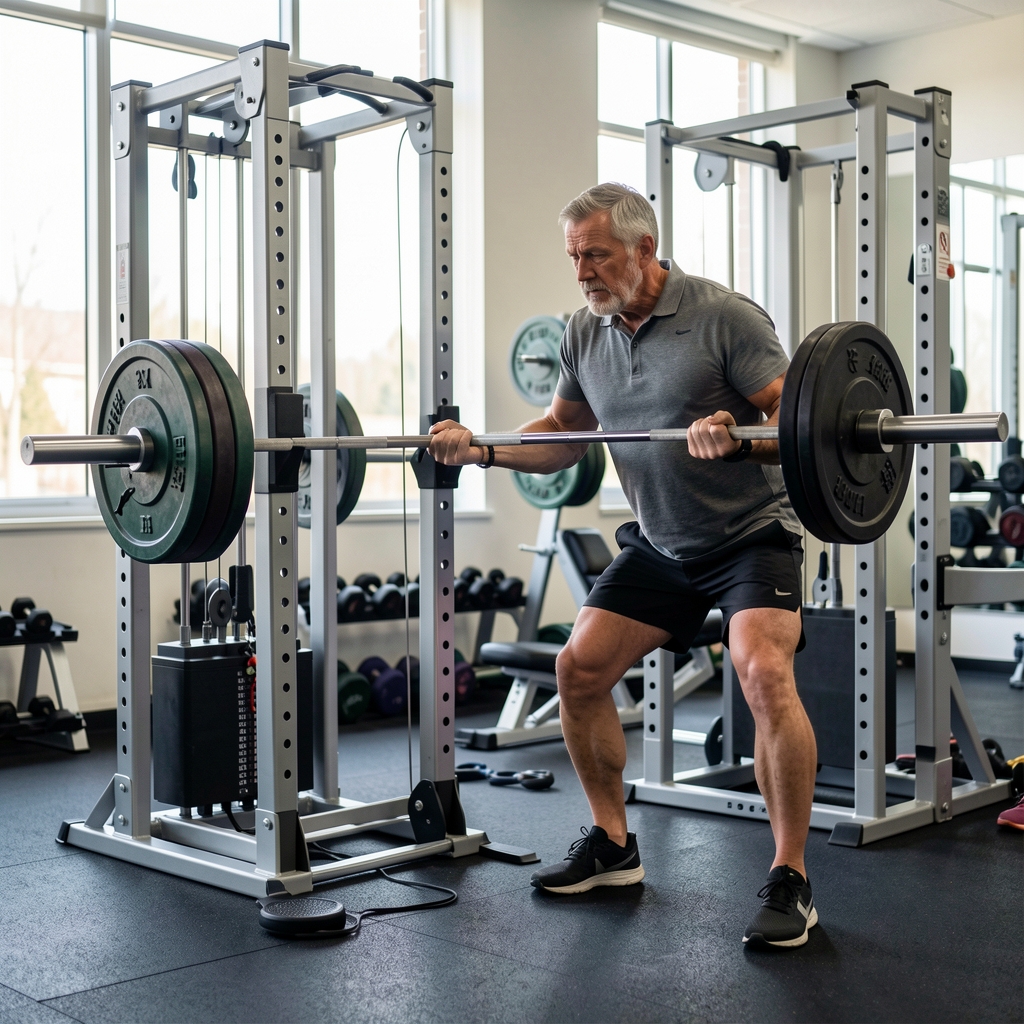
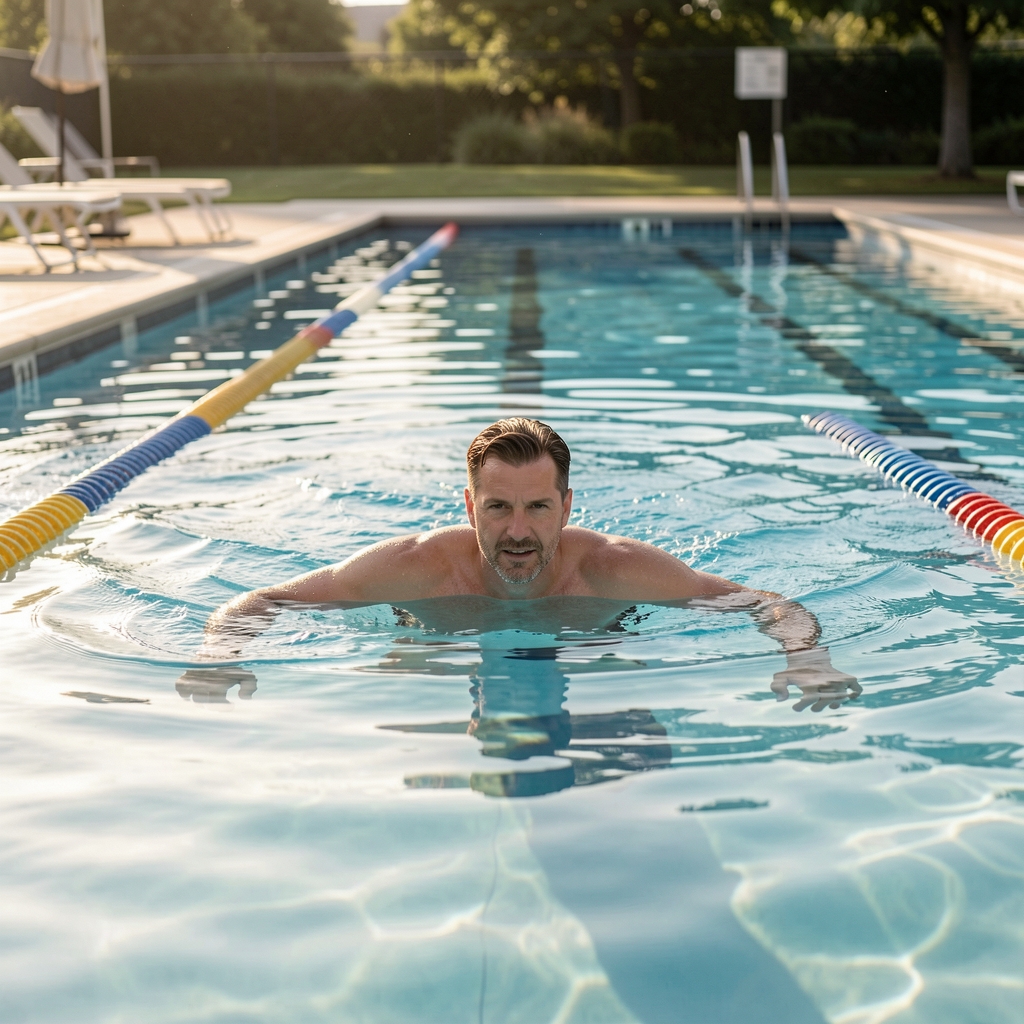


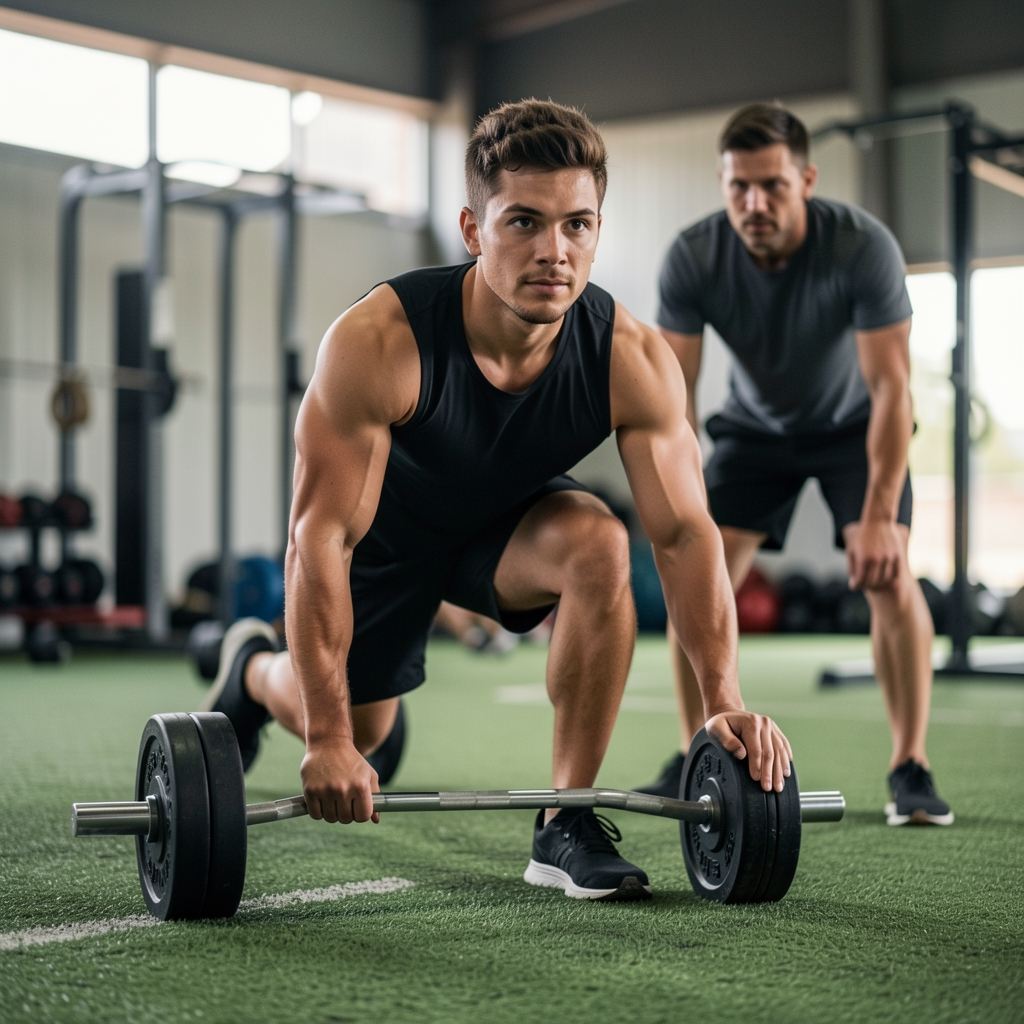

Articles are prepared by writers with training and coaching backgrounds and read by reviewers with relevant professional experience.

Physiology editor. Shapes each topic guide, checks that terms are used consistently and makes sure claims stay within what the sources support.
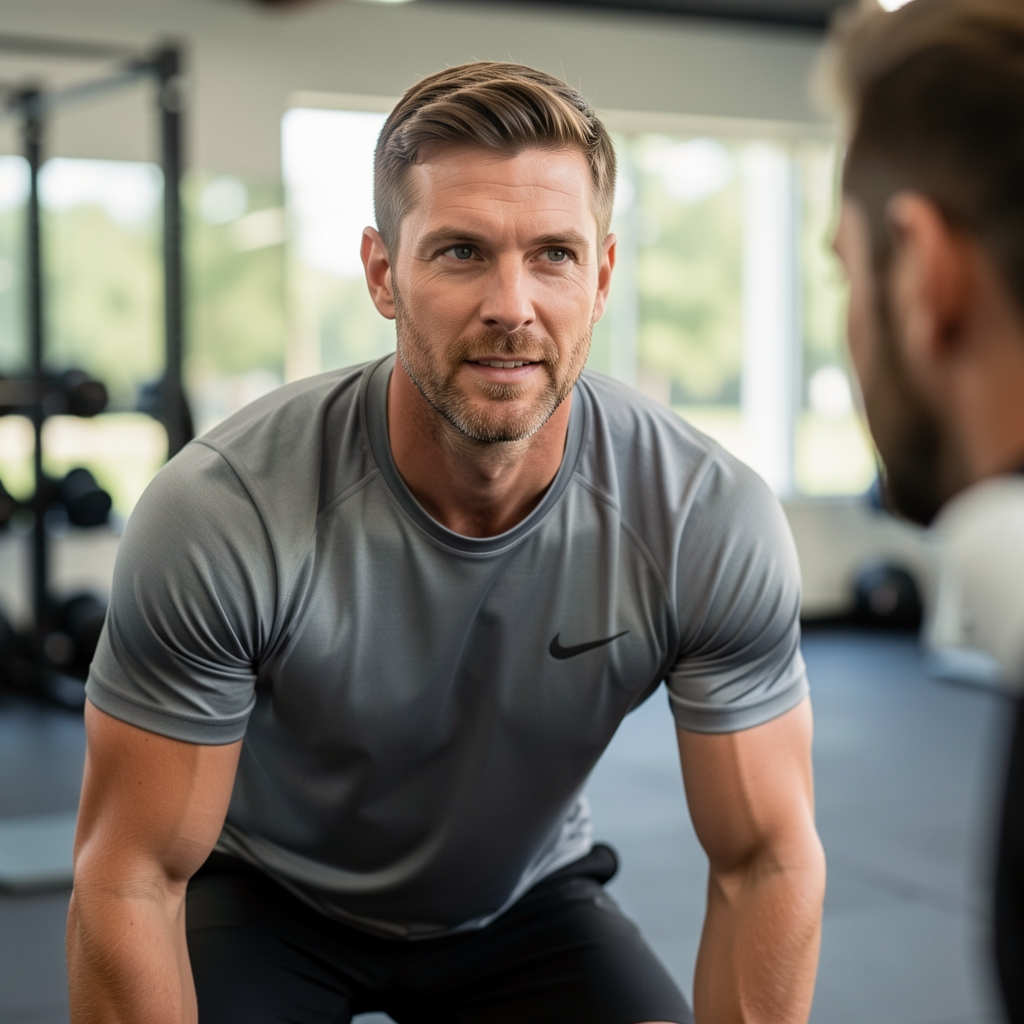
Coaching contributor. Strength, endurance and mobility coaches, represented here by Bayu, who describe how ideas hold up on the gym floor, the road and the trail.

Professional reviewer. Clinicians and nutrition professionals, represented here by Sekar, who read health-related material for accuracy and appropriate caution.
A quick orientation to what each area examines and where to read further.
| Pillar | What it examines | Signals worth noticing | Read next |
|---|---|---|---|
| Strength | Force production, technique and sensible loading patterns | Bar speed, movement control, joint comfort | Strength guide |
| Endurance | Aerobic base, pacing and long-session planning | Heart rate drift, perceived effort, session consistency | Endurance guide |
| Mobility | Usable range of motion in positions that matter to your sport | Smooth transitions, ease in daily positions | Mobility guide |
| Recovery | Sleep, nutrition, stress and the spacing of hard days | Morning energy, mood, appetite, training quality | Recovery guide |
No. It is an educational publication. Health concerns deserve a conversation with a qualified clinician.
Begin with the training foundations, then use the glossary to explore unfamiliar language.
Each piece is framed around a reader question, compared with primary and professional sources, and read by a reviewer. The full sequence is described on the methodology page.
Yes. Use the contact page to share a clear question and relevant context.
Content on Meliora is general and educational. It does not diagnose, and it is not a substitute for assessment by a qualified health professional. Persistent pain, unusual breathlessness, chest discomfort or sudden changes in how you feel should be discussed with a clinician before continuing to train.
Read the full disclaimer · Preparing for a health appointment
Read widely, train patiently and keep the person larger than the metric. Questions and topic suggestions are welcome at the editorial desk.
Meliora · 28 Jalan Raya Kemang, South Jakarta 12730, DKI Jakarta, Indonesia · +62 813 5271 9408
Contact the editorial desk