Glossary
Definitions for heart rate variability, training load, aerobic threshold and related terms, each with a stated limitation.
Open the glossaryThe Performance Lab explains the common ways of tracking training, from perceived effort to heart rate and power, and how adults aged 35 and over can use them without over-reading a single reading.
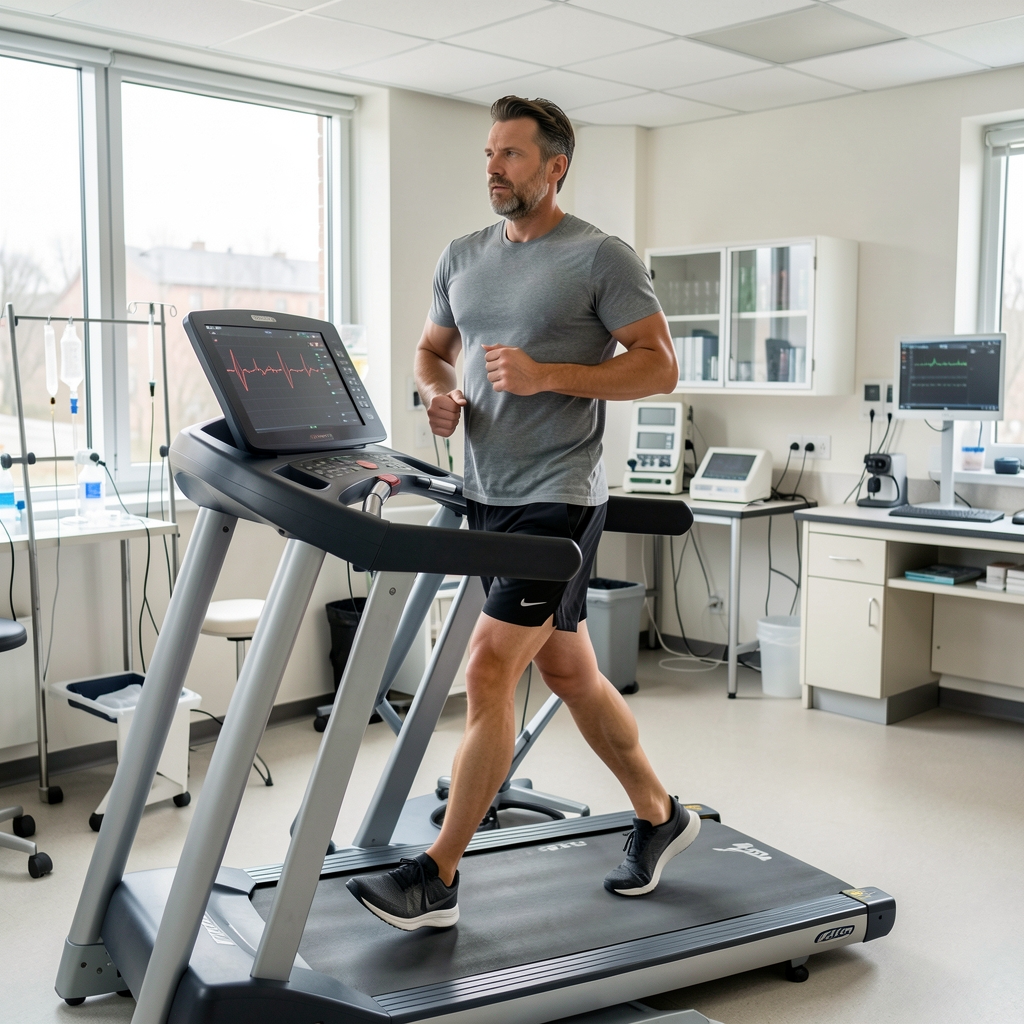
These figures describe how the page is organised. They are not results or performance claims.
4
common measures compared side by side
6
steps in the self-observation routine
3
reading guides linked below
2026
year of the most recent review
No single measure is complete. Each captures a different slice of what is happening, and each has conditions under which it misleads. Used together, they provide a more balanced picture than any one alone.
| Measure | What it reflects | Strengths | Common pitfalls |
|---|---|---|---|
| Perceived exertion | How hard the effort feels | Needs no equipment and responds to heat and fatigue. | Influenced by mood, motivation and sleep. |
| Heart rate | Cardiovascular response to effort | Continuous and easy to record. | Lags behind effort and shifts with heat, caffeine and hydration. |
| Pace or speed | Output over distance | Familiar and comparable between sessions. | Affected by terrain, wind and traffic. |
| Power | Mechanical work per unit time | Immediate and independent of conditions. | Requires equipment and regular calibration. |
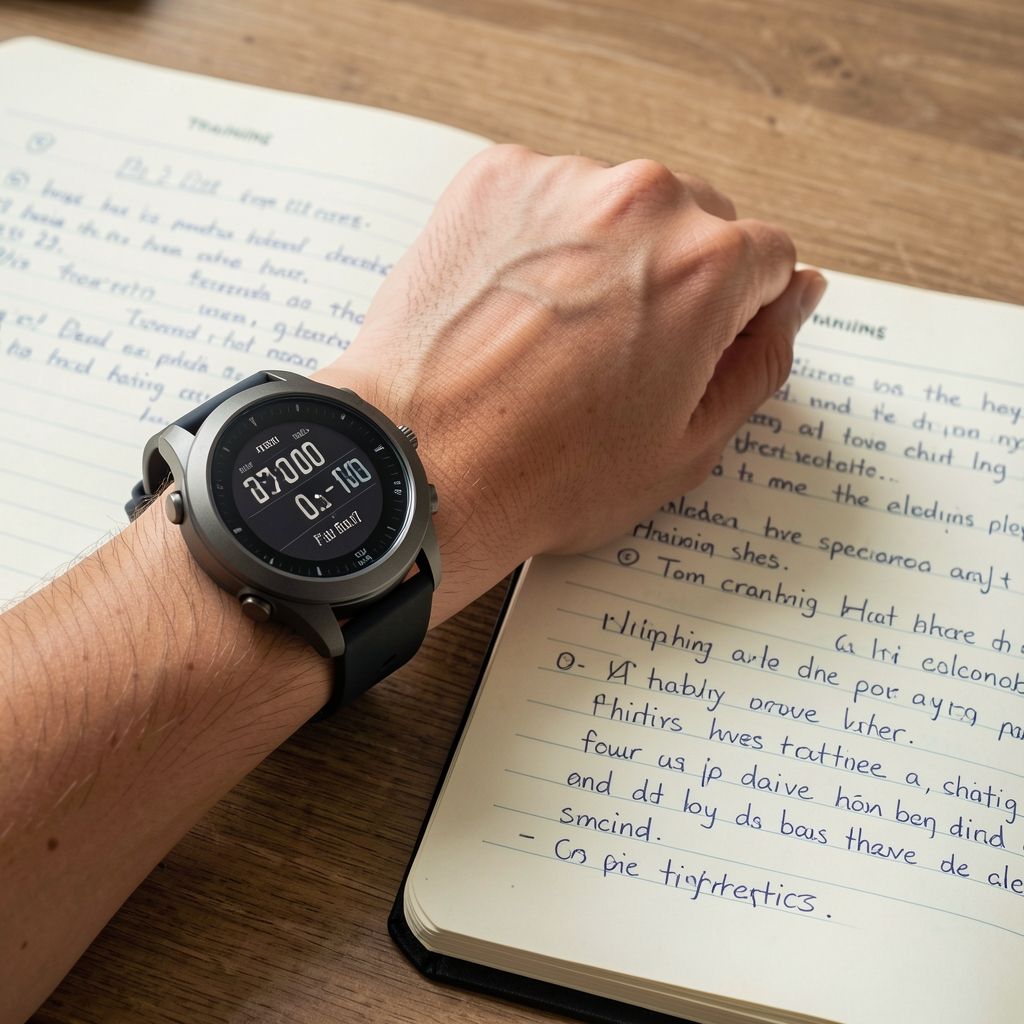
Wearable devices have made measurement easy, and the volume of data can feel like precision. In practice, wrist-based sensors work best in steady conditions and can drift during intervals, in heat or with loose straps. Readings such as heart rate variability or sleep stages are modelled estimates, produced by proprietary algorithms that differ between brands.
A sensible approach is to treat devices as note-takers. Trends across weeks are more informative than any single reading, and a number that conflicts with how you feel is a prompt for curiosity rather than alarm.
The routine uses a simple notebook or note app. It takes about five minutes after each session, and it helps connect what you did with how you responded.
Write the activity, duration and conditions, such as heat, terrain or time of day.
Choose a number from one to ten that reflects overall effort, before looking at any device.
Note one measure only, such as average heart rate or pace, to keep the record readable.
Add a line in the evening and another the next morning describing energy, soreness and mood.
Once a week, read the entries together and look for patterns rather than single days.
Change one thing at a time, and give it a few weeks before judging whether it helped.
A measurement is a question put to the body. The answer is only useful if the question was clear and the conditions were stable.
Many readers find that fewer measures, recorded consistently, tell them more than a dashboard full of metrics. A page of handwritten notes that includes how the session felt will often hold more information than an export from a device, because it contains the context the device cannot see.
Definitions for heart rate variability, training load, aerobic threshold and related terms, each with a stated limitation.
Open the glossaryHow we describe the strength of evidence when a study discusses wearable devices or testing methods.
Open researchExample weekly structures that show where measurement fits within a broader routine.
Open training plansNothing on this page assesses your fitness or your health. If a reading concerns you, or if you are unsure how to read a result, talk with a qualified professional who can consider your history. Our health check preparation page offers prompts for that conversation.
Send a question to the editors