Light
Morning light and lower evening brightness help the body distinguish day from night.
Sleep supports attention, mood, recovery and the ability to interpret effort. This practical guide treats sleep as a health behavior, not another test of discipline.
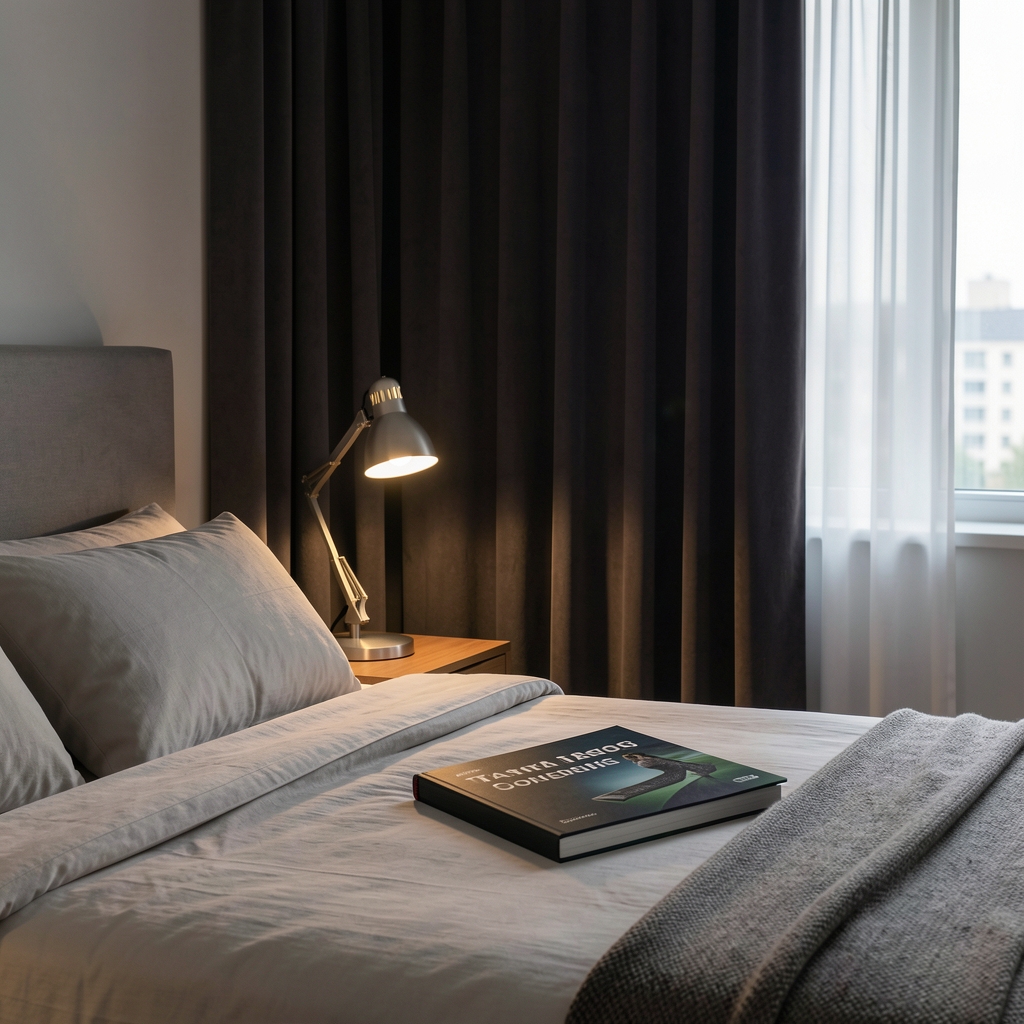
A consistent wake time, a dimmer final hour and a bedroom suited to rest can help establish a reliable pattern. Adults balancing work and training will still have interrupted nights. The useful question is how to return to ordinary rhythm rather than how to control every variable.
Morning light and lower evening brightness help the body distinguish day from night.
A repeatable sequence signals that decisions and stimulation are ending.
Look across a week rather than judging one night in isolation.
Hard sessions late in the evening may feel fine for some people and disruptive for others. Track the response before changing everything. Caffeine timing, heat, alcohol, stress and an inconsistent schedule can also influence rest.
Sleep advice is most useful when it acknowledges real life.

Persistent insomnia, loud snoring with daytime sleepiness, breathing pauses or severe restless sensations deserve medical evaluation. Training content cannot diagnose a sleep disorder. It can help you record patterns and prepare a clearer appointment.
| Note | Record |
|---|---|
| Timing | Bedtime, wake time and interruptions. |
| Context | Travel, stress, caffeine and late training. |
| Daytime | Energy, mood and concentration. |
Giving it a place in the plan is a sign of attention, not a lack of ambition.